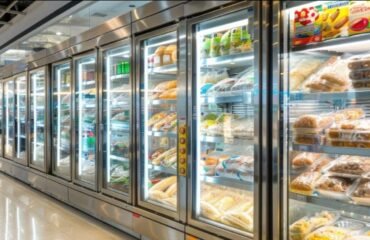
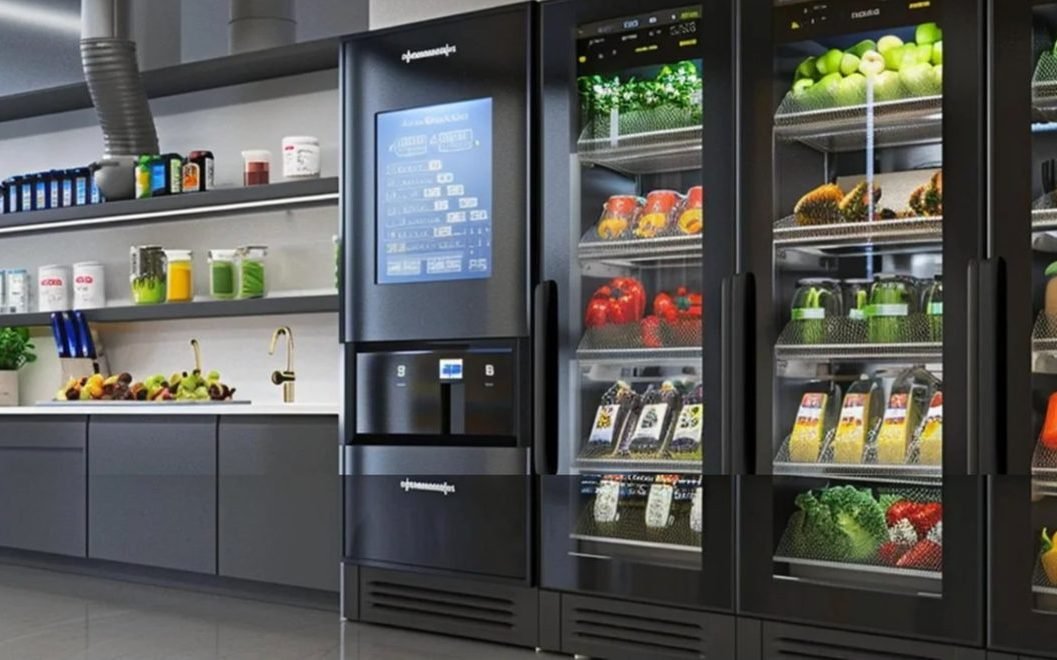
Summer is when your refrigeration matters most and struggles most. Sales of cold drinks and ice cream go up, doors open more often, and the air around the machine gets hotter. That means the compressor runs longer and harder. Most summer breakdowns can be avoided with a few simple habits.
1. Give it room to breathe
Every refrigerator and freezer pushes heat out through its condenser, usually at the back or bottom. If it’s pushed against a wall or boxed in by stock, that heat has nowhere to go. Keep a gap of about 10 to 15 cm around the unit, and never stack cartons against the vents.
2. Keep it out of the sun and away from heat
A freezer standing in direct sunlight near a shop entrance, or next to an oven or fryer, has to fight the heat all day. Move it to the coolest, shadiest spot you can. Even a few degrees less around the unit makes a real difference.
3. Clean the condenser coils
Dust on the condenser coils acts like a blanket and traps heat. In dusty conditions, clean them every month or two with a soft brush or vacuum, with the power switched off. It’s one of the simplest ways to reduce breakdowns and power use.
4. Check the door gaskets and lids
The rubber seal around a door or lid keeps cold air in. Close the door on a sheet of paper: if it slides out easily, the seal is weak. Clean gaskets with mild soapy water, and replace them if they’re cracked or loose. A leaking seal makes the compressor run non-stop.
5. Protect it from voltage swings
Summer demand often brings voltage drops and spikes, which are hard on compressors. Use a stabiliser of the right rating if your area has an unsteady supply. After a power cut, wait a few minutes before switching back on, so the compressor isn’t forced to restart under pressure.
6. Don’t overload it
It’s tempting to pack in extra stock before a busy weekend, but cold air needs space to move. An over-filled cooler or freezer cools unevenly, with warm spots where stock spoils. Keep shelves and baskets below the load line, and leave gaps between packs.
7. Load warm stock gradually
Loading a large delivery of warm drinks all at once raises the temperature inside and makes the unit work very hard. Where possible, load in batches, and let hot food cool to room temperature before it goes in.
8. Open doors less, and for less time
Each time a door or lid opens, cold air falls out and warm air rushes in. Train staff to restock in one go rather than several trips, and to close doors firmly. In display units, keep the bestsellers at the front so customers find them quickly.
9. Defrost when ice builds up
In freezers without automatic defrost, a thick layer of ice reduces cooling and space. Defrost when the ice is more than about half a centimetre thick. Move stock to another freezer first, and never chip at ice with a sharp tool.
10. Book a service before summer
The best time to service refrigeration is just before the heat arrives, around February or March. A technician can check the gas pressure, electrical parts, fan motors and thermostat, and catch small problems before they become a breakdown in the middle of May.
Warning signs to act on
- The compressor runs non-stop, or clicks on and off very often.
- Products feel softer or warmer than usual.
- Ice is building up much faster than before.
- The outside of the unit feels unusually hot, or you smell burning.
- New or loud noises from the back or bottom.
If you notice any of these, switch off if it’s safe to do so, move sensitive stock, and call for service. Acting early usually means a cheaper repair.
Planning ahead for summer?
If your current unit is old or struggling every summer, it may cost less over time to replace it with an efficient model built for high temperatures. Trivikram Enterprises supplies commercial refrigeration from Voltas, Western and Blue Star. Talk to us or call +91 98915 84748.