
Summer Care
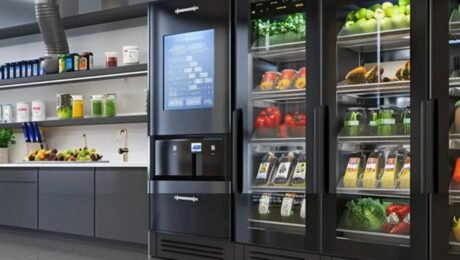
Summer is when your refrigeration matters most and struggles most. Sales of cold drinks and ice cream go up, doors open more often, and the air around the machine gets hotter. That means the compressor runs longer and harder. Most summer breakdowns can be avoided with a few simple habits.
1. Give it room to breathe
Every refrigerator and freezer pushes heat out through its condenser, usually at the back or bottom. If it’s pushed against a wall or boxed in by stock, that heat has nowhere to go. Keep a gap of about 10 to 15 cm around the unit, and never stack cartons against the vents.
2. Keep it out of the sun and away from heat
A freezer standing in direct sunlight near a shop entrance, or next to an oven or fryer, has to fight the heat all day. Move it to the coolest, shadiest spot you can. Even a few degrees less around the unit makes a real difference.
3. Clean the condenser coils
Dust on the condenser coils acts like a blanket and traps heat. In dusty conditions, clean them every month or two with a soft brush or vacuum, with the power switched off. It’s one of the simplest ways to reduce breakdowns and power use.
4. Check the door gaskets and lids
The rubber seal around a door or lid keeps cold air in. Close the door on a sheet of paper: if it slides out easily, the seal is weak. Clean gaskets with mild soapy water, and replace them if they’re cracked or loose. A leaking seal makes the compressor run non-stop.
5. Protect it from voltage swings
Summer demand often brings voltage drops and spikes, which are hard on compressors. Use a stabiliser of the right rating if your area has an unsteady supply. After a power cut, wait a few minutes before switching back on, so the compressor isn’t forced to restart under pressure.
6. Don’t overload it
It’s tempting to pack in extra stock before a busy weekend, but cold air needs space to move. An over-filled cooler or freezer cools unevenly, with warm spots where stock spoils. Keep shelves and baskets below the load line, and leave gaps between packs.
7. Load warm stock gradually
Loading a large delivery of warm drinks all at once raises the temperature inside and makes the unit work very hard. Where possible, load in batches, and let hot food cool to room temperature before it goes in.
8. Open doors less, and for less time
Each time a door or lid opens, cold air falls out and warm air rushes in. Train staff to restock in one go rather than several trips, and to close doors firmly. In display units, keep the bestsellers at the front so customers find them quickly.
9. Defrost when ice builds up
In freezers without automatic defrost, a thick layer of ice reduces cooling and space. Defrost when the ice is more than about half a centimetre thick. Move stock to another freezer first, and never chip at ice with a sharp tool.
10. Book a service before summer
The best time to service refrigeration is just before the heat arrives, around February or March. A technician can check the gas pressure, electrical parts, fan motors and thermostat, and catch small problems before they become a breakdown in the middle of May.
Warning signs to act on
- The compressor runs non-stop, or clicks on and off very often.
- Products feel softer or warmer than usual.
- Ice is building up much faster than before.
- The outside of the unit feels unusually hot, or you smell burning.
- New or loud noises from the back or bottom.
If you notice any of these, switch off if it’s safe to do so, move sensitive stock, and call for service. Acting early usually means a cheaper repair.
Planning ahead for summer?
If your current unit is old or struggling every summer, it may cost less over time to replace it with an efficient model built for high temperatures. Trivikram Enterprises supplies commercial refrigeration from Voltas, Western and Blue Star. Talk to us or call +91 98915 84748.
- Published in Blogs
Visi Cooler Vs Glass Top

Walk into any busy kirana store, bakery or supermarket and you’ll see two kinds of glass-fronted refrigeration: tall visi coolers full of drinks, and low glass-top freezers full of ice cream. They look similar in one way, since both let customers see what they’re buying, but they do very different jobs. Choosing the wrong one means stock that doesn’t sell or doesn’t keep.
The short answer
- Choose a visi cooler for products that need to stay chilled: soft drinks, water, juices, dairy, and packaged foods.
- Choose a glass-top freezer for products that need to stay frozen: ice cream, frozen desserts, and frozen snacks.
Temperature decides it. A visi cooler typically holds around +2°C to +8°C, while a freezer holds well below zero. Neither can do the other’s job well.
What a visi cooler does best
A visi cooler is an upright refrigerator with a glass door, built to display chilled products at eye level. It’s the workhorse for drinks sales.
- It sells by sight. Products face the customer on well-lit shelves, which encourages impulse buys.
- It saves floor space. Because it’s tall, it holds a lot of stock on a small footprint.
- It comes in many sizes. Countertop models of around 25 to 60 litres suit a billing counter, while single and double-door uprights of 200 to 550 litres suit a busy aisle.
- It can carry branding. Many models have a canopy or panel for your shop name or a beverage brand.
Best for: grocery and kirana stores, cafés, canteens, petrol-pump shops, and pharmacies selling cold drinks.
What a glass-top freezer does best
A glass-top freezer is a chest freezer with a sliding or curved glass lid. Customers look down into it and choose.
- It keeps frozen products frozen. The chest design holds cold air in, even when the lid is opened often.
- It shows off ice cream. Customers can browse flavours and brands before opening the lid.
- It holds bulk stock. Deep baskets fit a lot of product, so you restock less often.
Best for: ice cream parlours, supermarkets, general stores and frozen-food sellers.
Side by side
| Visi cooler | Glass-top freezer | |
|---|---|---|
| Keeps products | Chilled | Frozen |
| Typical products | Drinks, water, dairy | Ice cream, frozen snacks |
| Shape | Upright, glass door | Chest, glass lid |
| Floor space | Small footprint, tall | Wider footprint, low |
| How customers shop | At eye level | Looking down into it |
What if you sell both?
Many shops need both, and that’s usually the best setup. Put the visi cooler near the entrance or billing counter, where drinks sell on impulse, and the glass-top freezer where customers can stop and browse. If space is tight, a combo cooler with separate freezer and cooler sections, or a convertible freezer, can cover both needs in one unit.
Tips for either choice
- Keep it out of direct sunlight and away from ovens or other heat sources.
- Leave space around it so the compressor can release heat.
- Don’t block the air vents inside by over-stacking shelves or baskets.
- Keep the glass clean. In a display unit, a clear view is what sells.
Not sure which fits your shop?
Trivikram Enterprises supplies visi coolers and glass-top freezers from Voltas and Western. Tell us what you sell and the space you have, and we’ll suggest the right size and type. Contact us or call +91 98915 84748.
- Published in Blogs
Choose Deep Freezer
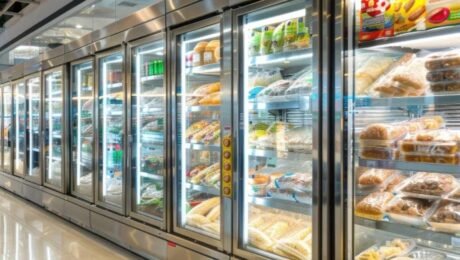
A deep freezer is one of the hardest-working machines in a shop. It runs day and night, and if it’s the wrong size or type, you pay for it every month in wasted space, spoiled stock or a higher electricity bill. Here’s how to get it right the first time.
1. Start with what you’ll store
Different products need different conditions, so begin with your stock, not the freezer.
- Ice cream and frozen desserts need a steady, very low temperature. Even small swings make ice cream grainy.
- Frozen meat, fish and ready-to-cook snacks need deep, even cold and enough room for air to move between packs.
- Dairy, drinks and chilled items don’t need freezing at all. A convertible freezer that can switch to cooler mode, or a visi cooler, may suit you better.
If you sell both frozen and chilled products, look at a convertible or combo model. It lets you change use with the seasons without buying a second machine.
2. Hard top or glass top?
This is the biggest choice, and it depends on whether the freezer is for storage or for selling.
- Hard top freezers have solid, insulated lids. They hold the cold better, use less power and suit back-of-shop storage, kitchens and bulk stock.
- Glass top freezers let customers see what’s inside without opening the lid. They’re built for the shop floor, where visible products sell faster, especially ice cream and frozen snacks.
A simple rule: if customers will choose from it, go glass top. If only your staff will open it, go hard top.
3. Pick the right capacity
Deep freezers are sold by capacity in litres, from compact 100 to 200 litre units up to large 400 litre and bigger twin-lid models. For example, the Voltas range we supply includes 162, 205 and 320 litre hard-top freezers and a 326 litre glass-top model.
To choose a size:
- Work out the most stock you hold at once, usually just after a delivery, not your daily average.
- Add about 20% extra space. Air needs to circulate, and an over-packed freezer cools unevenly and works harder.
- If you’ll store more than one kind of product, a twin-lid freezer lets you keep them apart and open only the side you need.
Buying too big isn’t free either. An empty freezer still uses power to cool its space, so size for your real stock with a sensible margin.
4. Measure your space, including the gaps
Measure the floor space and the path to get the freezer in, including doorways and steps. Then leave room around it. The compressor needs to release heat, so most freezers need a gap of about 10 to 15 cm at the back and sides. Squeezing a freezer against a wall makes it run hotter, longer and less efficiently.
5. Check it’s built for Indian conditions
In much of India, summer shop temperatures cross 40°C, and power supply can fluctuate. Look for:
- A freezer rated to work at high ambient temperatures.
- Good voltage tolerance, or plan to add a stabiliser.
- Thick insulation that holds temperature during short power cuts.
- Useful extras like castor wheels for cleaning and moving, a lock, and an inner light.
6. Think about running cost, not just price
A freezer runs around the clock for years, so its electricity use often matters more than a small difference in purchase price. Compare energy ratings where they’re given, and choose a trusted brand with service support near you. When something goes wrong in summer, a fast repair saves far more than a cheaper price ever would.
Quick checklist
- What will I store, and at what temperature?
- Is it for storage (hard top) or for selling (glass top)?
- What’s my peak stock, plus 20%?
- Do I have the floor space and 10 to 15 cm of clearance?
- Is it rated for high heat and voltage swings?
- Is service available in my area?
Need help choosing?
Trivikram Enterprises supplies deep freezers from Voltas, Western and Blue Star. Tell us what you sell and how much space you have, and we’ll recommend the right model and share a quote. Contact us or call +91 98915 84748.
- Published in Blogs